AI Won't Take Your Job. But Someone Who Knows What To Do With AI Might
◉ 19 views
Imagine an Indian farmer standing in his field a couple of centuries ago.
He has a few cows. Every morning, he collects cow dung, processes it, and uses it to produce ammonia-rich fertiliser for his fields. It is labour-intensive, but it is his livelihood. He understands the process, the economics, and the value it creates.
Then, thousands of kilometres away, German scientists figure out something extraordinary.
They discover how to produce ammonia from nitrogen in the air.
Think about that for a moment. Something that once required agricultural resources and human effort could now be manufactured industrially, at an unprecedented scale.
Did Indian farmers suddenly lose their livelihoods? Did agriculture disappear? No. Agriculture evolved. Fertilisers became cheaper, food production increased, and entirely new economic opportunities emerged.
Now, consider aluminium.
There was a time when aluminium was so rare and difficult to extract that it was considered more precious than gold. It was a metal fit for emperors. Then scientists figured out how to produce it cheaply through electrolysis.
Did the aluminium industry collapse because the metal became cheap?
Quite the opposite. Aluminium found its way into aircraft, automobiles, buildings, packaging, electronics and thousands of products we use every day. An entire global industry flourished because something once scarce became accessible.
And then came computers.
When computers entered offices, people feared that machines would replace accountants, typists, clerks, engineers and administrators. Some jobs certainly disappeared. But something unexpected happened.
Computers created entire industries that nobody had imagined: software engineering, cybersecurity, cloud computing, digital marketing, e-commerce, data science, mobile applications and countless others.
The number of opportunities created by the computer revolution was on a completely different scale from what existed before it.
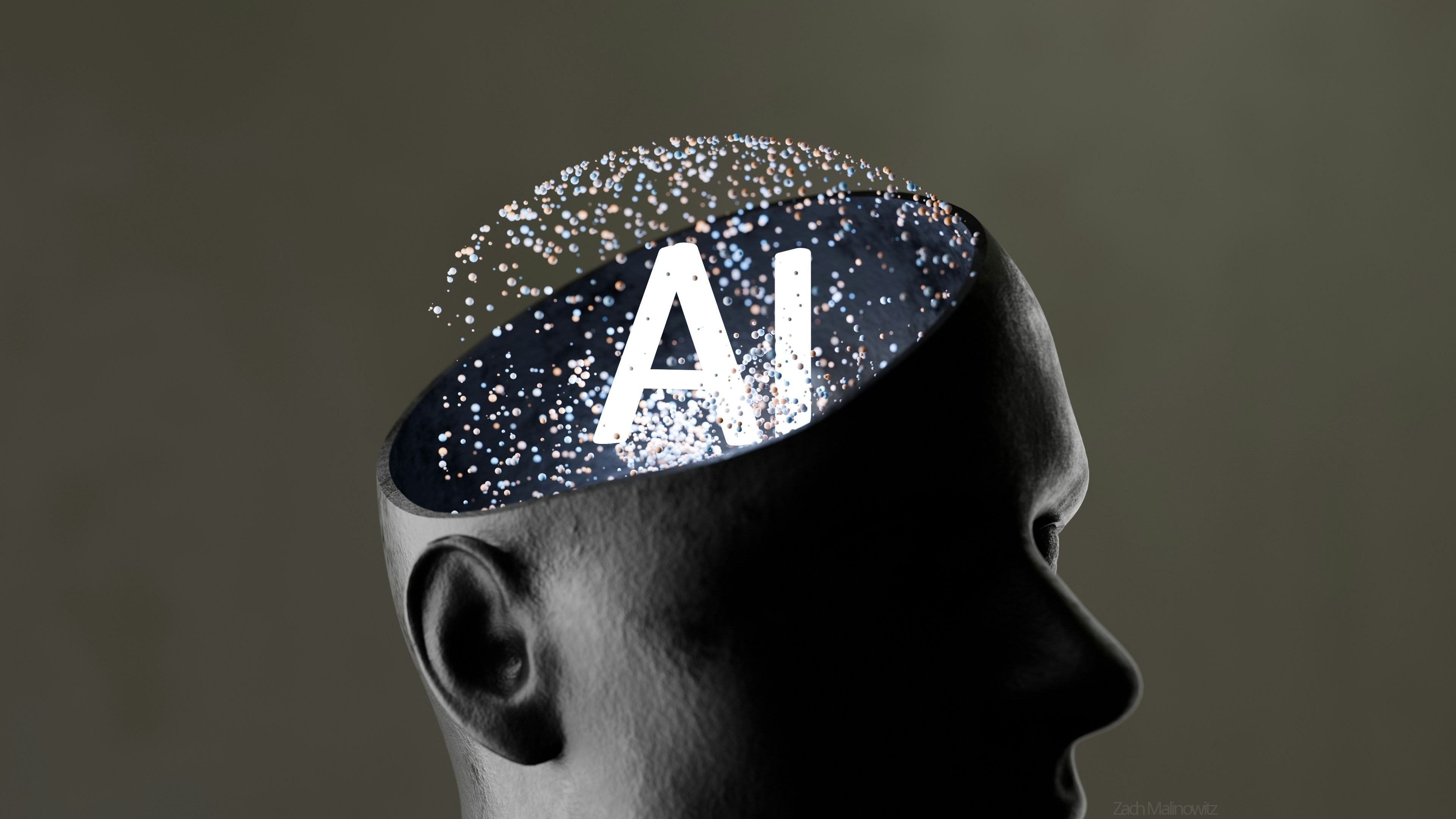
Now, here we are again. This time, the technology is AI.
AI can write code, generate images, analyse documents, create presentations, automate workflows and perform tasks that once required hours of human effort.
Naturally, people are worried.
But perhaps we are asking the wrong question.
Instead of asking, "Will AI take my job?", perhaps we should ask, "What becomes possible when intelligence becomes cheaper and more accessible?"
When ammonia became cheaper, agriculture expanded. When aluminium became cheaper, manufacturing expanded. When computing became cheaper, the digital economy exploded.
When intelligence becomes cheaper, we may see entirely new industries emerge.
But there is a catch.
Not everyone will benefit equally.
If everyone around you is using AI, simply knowing how to use ChatGPT or generate code will not make you special. That advantage will disappear quickly.
The real differentiator will be your ability to think.
We need more thinkers now. People who can identify problems nobody is looking at, connect seemingly unrelated ideas, challenge conventional approaches and imagine what should be built next.
Think of a crowd running in one direction because everyone believes that is where the opportunity lies.
The person who creates the most value might be the one who jumps in front of that crowd, raises a white flag and says:
"Wait. The opportunity is not that way. It is this way."
That person is not necessarily the best coder, the fastest writer or the most efficient AI operator.
That person understands the bigger picture.
AI will make execution cheaper. It will make expertise more accessible. It will allow smaller teams to accomplish what once required entire departments.
But someone still needs to decide what is worth building, why it matters, who it serves and where the world should go next.
That is where human judgement, curiosity, creativity and courage become more valuable.
So don't compete with AI at being a machine.
Learn to use it. Experiment with it. Build with it. But, most importantly, develop the ability to think independently.
The future will not necessarily belong to those who use AI the most. It will belong to those who know what to do with the possibilities AI creates.
The farmer didn't need to become an industrial chemist. The aluminium manufacturer didn't need to fight the discovery of cheap aluminium. And the computer didn't eliminate the need for human ambition.
Every technological revolution rewards those who recognise the new possibilities before everyone else does.
Perhaps this time will be no different.
Keep reading

The Degree Is the Ticket. Nobody Told You Which Train.
A weird, honest look at education in Tripura: why a degree isn’t enough, why chai-stall wisdom beats some syllabi, and how to turn what you…
Why Should You Buy Second-Hand Cars In Agartala, Tripura
Buy available second-hand cars, compare your options, and ask us about possible discounts through our participating affiliate dealers in Ag…
Your Post Is Live on Fatafati. What to Do Next?
Fatafati started with a simple idea: Tripura's creators deserve a front row. Here's how the feed works, and the six things to do the moment…